This is today’s edition of The Download, our weekday newsletter that provides a daily dose of what’s going on in the world of technology. Desa…
MIT Technology Review lagi ngeluarin cerita yang cukup penting: This is today’s edition of The Download, our weekday newsletter that provides a daily dose of what’s going on in the world of technology. Desalination plants in the Middle East are increasingly vulnerable  As the conflict in Iran has escalated, a crucial resource is under fire: the desalinization tech…. Di technology, gue lebih tertarik ke efek operasionalnya daripada dramanya. Kalau lo ngikutin technology, cerita kayak gini biasanya ngasih clue soal infra, security, atau product reliability yang bikin tim bisa shipping lebih cepat.
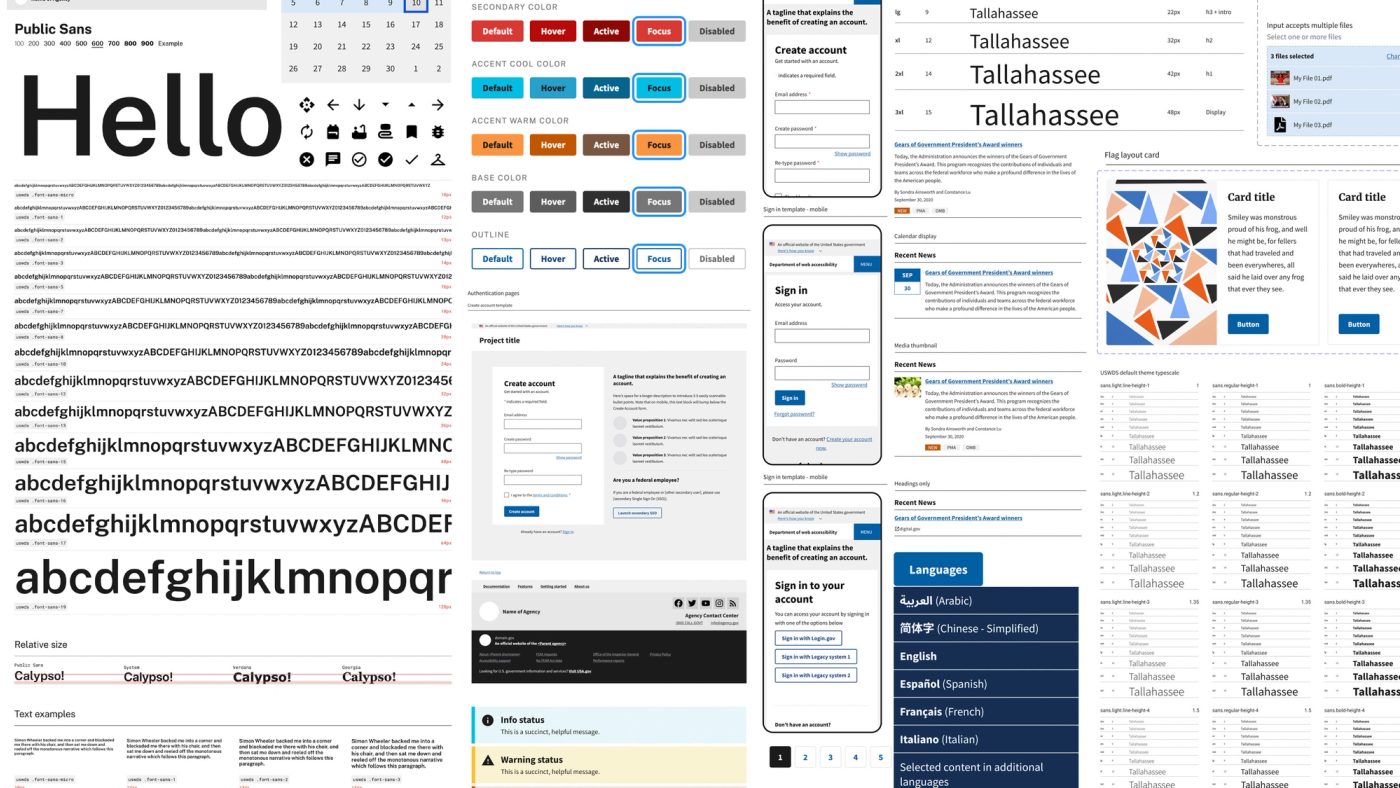
Kalau kita buka detailnya, This is today’s edition of The Download , our weekday newsletter that provides a daily dose of what’s going on in the world of technology. Desalination plants in the Middle East are increasingly vulnerable As the conflict in Iran has escalated, a crucial resource is under fire: the desalinization technology that supplies water in the region. President Donald Trump has threatened to destroy “possibly all desalinization plants” in Iran if the Strait of Hormuz is not reopened. The impact on farming, industry, and—crucially—drinking in the Middle East could be severe. Find out why . —Casey Crownhart This story is part of MIT Technology Review Explains, our series untangling the complex, messy world of technology to help you understand what’s coming next. You can read more from the series here . AI is changing how small online sellers decide what to make For small entrepreneurs, deciding what to sell and where to make it has traditionally been a slow, labor-intensive process. Now that work is increasingly being done by AI. Tools like Alibaba’s Accio compress weeks of product research and supplier hunting into a single chat. Business owners and e-commerce experts say they’re making sourcing more accessible—and slashing the time from product idea to launch. Read the full story on how AI is leveling the path to global manufacturing . —Caiwei Chen The gig workers who are training humanoid robots at home When Zeus, a medical student in Nigeria, returns to his apartment from a long day at the hospital, he straps his iPhone to his forehead and records himself doing chores. Zeus is a data recorder for Micro1, which sells the data he collects to robotics firms. As these companies race to build humanoids, videos from workers like Zeus have become the hottest new way to train them. Micro1 has hired thousands of them in more than 50 countries, including India, Nigeria, and Argentina. The jobs pay well locally, but raise thorny questions around privacy and informed consent. The work can be challenging—and weird. Read the full story . —Michelle Kim This is our latest story to be turned into an MIT Technology Review Narrated podcast, which we’re publishing each week on Spotify and Apple Podcasts . Just navigate to MIT Technology Review Narrated on either platform, and follow us to get all our new content as it’s released. The must-reads I’ve combed the internet to find you today’s most fun/important/scary/fascinating stories about technology. 1 Anthropic’s new model found security problems in every OS and browser Claude Mythos has been heralded as a cybersecurity “reckoning.” ( The Verge ) + Anthrophic is limiting the rollout over hacking fears. ( CNBC ) + It’s also launching a project that lets Mythos flag vulnerabilities. ( Gizmodo ) + Apple, Google, and Microsoft have joined the initiative. ( ZDNET ) 2 Iranian hackers are targeting American critical infrastructure Their focus is on energy and water infrastructure. ( Wired ) + They’re targeting industrial control devices. ( TechCrunch ) 3 Google’s AI Overviews deliver millions of incorrect answers per hour Despite a 90% accuracy rate. ( NYT $) + AI means the end of internet search as we’ve known it. ( MIT Technology Review ) 4 Elon Musk is trying to oust OpenAI CEO Sam Altman in a lawsuit As remedies for Altman allegedly defrauding him. ( CNBC ) + Musk wants any damages given to OpenAI’s nonprofit arm. ( WSJ $) 5 ICE has admitted it’s using powerful spyware The tools that can intercept encrypted messages. ( NPR ) + Immigration agencies are also weaponizing AI videos. ( MIT Technology Review ) 6 Greece has joined the countries banning kids from social media Under-15s will be blocked from 2027. ( Reuters ) + Australia introduced the world’s first social media ban for children. ( Guardian ) + Indonesia recently rolled out the first one in Southeast Asia. ( DW ) + Experts say they’re a lazy fix. ( CNBC ) 7 Intel will help Elon Musk build his Terafab in Texas They aim to manufacture chips for AI projects. ( Engadget ) + Musk says it will be the largest-ever semiconductor factory. ( Engadget ) + Future AI chips could be built on glass. ( MIT Technology Review ) 8 TikTok is building a second billion-euro data center in Finland It’s moving data storage for European users. ( Reuters ) + Finland has become a magnet for data centers. ( Bloomberg $) + But nobody wants one in their backyard. ( MIT Technology Review ) 9 Plans for Canada’s first “virtual gated community” have sparked a row The AI-powered surveillance system has divided neighbors. ( Guardian ) + Is the Pentagon allowed to surveil Americans with AI? ( MIT Technology Review ) 10 The high-tech engineering of the “space toilet” has been revealed Artemis II is the first mission to carry one around the world. ( Vox ) Quote of the day “This case has always been about Elon generating more power and more money for what he wants. His lawsuit remains nothing more than a harassment campaign that’s driven by ego, jealousy and a desire to slow down a competitor.” —OpenAI criticizes Musk’s legal action in an X post . One More Thing USWDS Inside the US government’s brilliantly boring websites You may not notice it, but your experience on every US government website is carefully crafted. Each site aligns an official web design and a custom typeface. They aim to make government websites not only good-looking but accessible and functional for all. MIT Technology Review dug into the system’s history and features. Find out what we discovered . —Jon Keegan We can still have nice things A place for comfort, fun and distraction to brighten up your day. (Got any ideas? Drop me a line .) + Rejoice in the splendor of the “ Earthset ” image captured by Artemis II. + Meet the fearless cat chasing off bears. + This document vividly explains what makes the octopus so unique. + Revealed: the rhythmic secret that makes emo music so angsty . sering jadi indikator tentang maturity sebuah produk atau stack. Di area ini, yang penting bukan cuma fitur baru, tapi apakah sistemnya makin stabil, lebih mudah di-scale, dan nggak nambah friction buat user atau tim internal.
Research tambahan ngasih konteks yang lebih tajam: Research lookup returned no usable results.. Ini bikin pembacaan awal jadi lebih grounded, bukan cuma bergantung ke judul atau ringkasan feed. Kalau ada detail yang saling nambah, gue pakai itu buat bikin cerita ini lebih utuh dan lebih berguna buat lo.
Di level produk dan operasional, cerita kayak gini biasanya nunjukin satu hal: perusahaan yang lebih cepat belajar bakal punya advantage. Kalau workflow makin otomatis, tim yang masih manual kebanyakan bakal kalah gesit. Kalau distribusi makin ketat, brand yang punya channel kuat bakal lebih unggul. Jadi meskipun judulnya kelihatan khusus, implikasinya sering masuk ke area yang jauh lebih dekat ke keputusan bisnis sehari-hari daripada yang orang kira.
Ada juga layer kompetisi yang sering kelewat. Begitu satu pemain besar bergerak, pemain kecil biasanya punya dua pilihan: ikut naik level atau makin susah relevan. Itu sebabnya gue suka lihat berita bukan sebagai peristiwa tunggal, tapi sebagai bagian dari pola. Siapa yang bergerak duluan? Siapa yang nunggu? Siapa yang bisa mengeksekusi lebih rapi? Dari situ biasanya kebaca apakah sebuah tren masih hype atau udah mulai jadi infrastruktur.
Buat pembaca yang peduli ke hasil praktis, pertanyaan yang paling berguna bukan “apakah ini keren?” tapi “apa yang harus gue ubah setelah baca ini?”. Kalau lo founder, bisa jadi jawabannya ada di positioning, pricing, atau channel distribusi. Kalau lo trader, mungkin yang perlu dipantau adalah sentimen, momentum, dan apakah pasar udah overreact. Kalau lo cuma pengin update cepat, minimal lo jadi ngerti kenapa topik ini muncul dan kenapa orang lain mulai ngomongin sekarang.
Gue juga sengaja ngasih ruang buat konteks yang sedikit lebih tenang, karena berita yang rame sering bikin orang lompat ke kesimpulan terlalu cepat. Tidak semua headline berarti revolusi. Kadang ada yang cuma noise, kadang ada yang benar-benar awal perubahan. Bedanya ada di konsistensi tindak lanjutnya. Kalau dalam beberapa siklus berikutnya topik ini terus muncul, besar kemungkinan kita lagi lihat pergeseran yang serius, bukan sekadar buzz harian.
Jadi kalau lo minta versi pendeknya: The Download: water threats in Iran and AI’s impact on what entrepreneurs make penting bukan karena judulnya doang, tapi karena dia nunjukin arah pergerakan yang bisa berdampak ke cara orang bikin produk, baca pasar, dan nyusun strategi. Buat gue, itu inti yang paling worth it untuk dibawa pulang. Sisanya bisa lo simpan sebagai detail, tapi arah besarnya udah cukup jelas: pergeseran ini layak dipantau, bukan di-skip.
Technology lagi bergerak cepat, jadi jangan cuma lihat headline.
MIT Technology Review
Catatan redaksi
Kalau lo cuma ambil satu hal dari artikel ini
Technology update dari MIT Technology Review.
Sumber asli
Artikel ini merupakan rewrite editorial dari laporan MIT Technology Review.
Baca artikel asli di MIT Technology Review→